

Deep Understanding
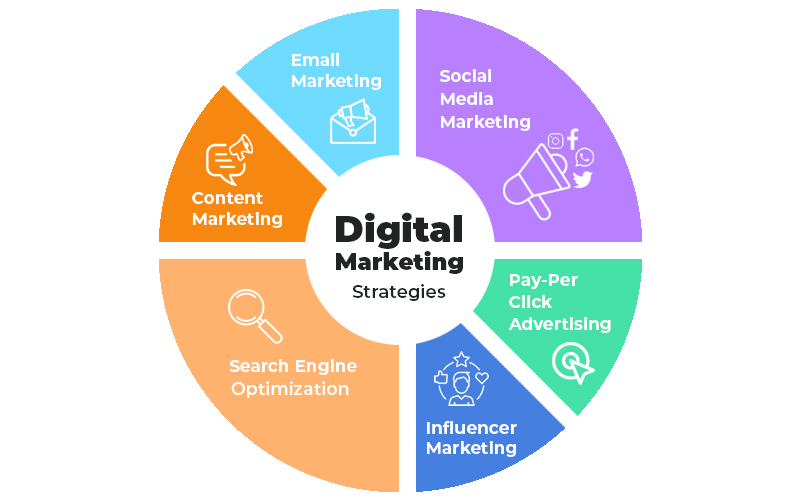
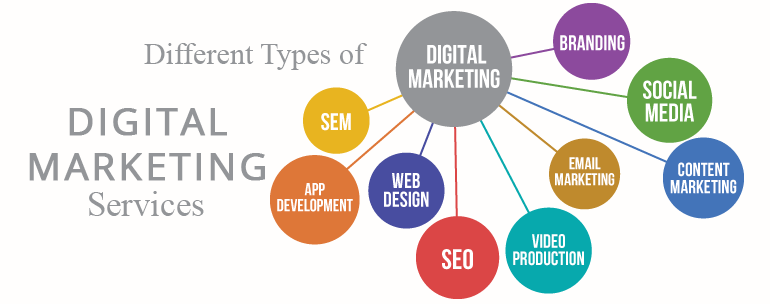
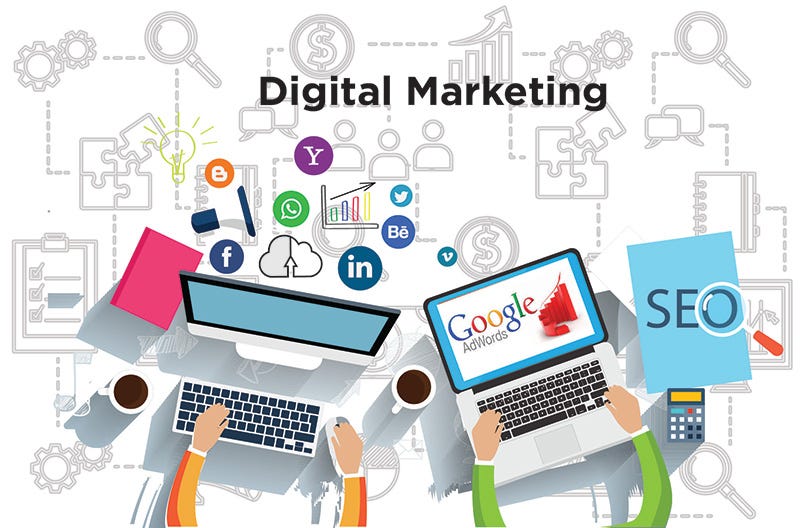
Digital Marketing is about using online platforms to promote a business. It includes websites, search engines, social media, emails, and online ads. The main goal is to reach the right audience with the right message and increase engagement. Using online channels, businesses can connect their products and services with interested people. Content and campaigns are designed naturally so that users find value and build trust. Digital Marketing improves visibility and increases the chance of conversions.
Online visibility
Targeted audience
Content creation
Search engine optimization
Social media presence
Email campaigns
Performance tracking
Cost efficiency
Long term growth
Flexibility
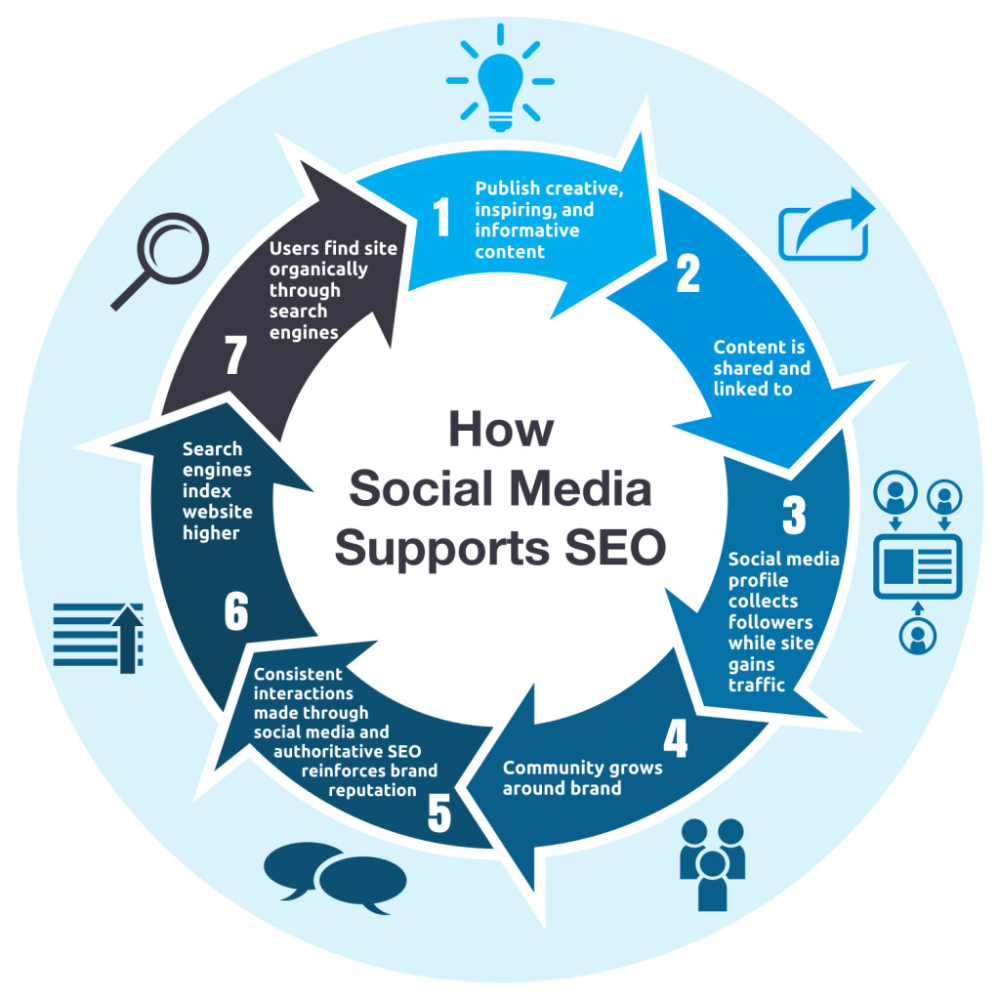
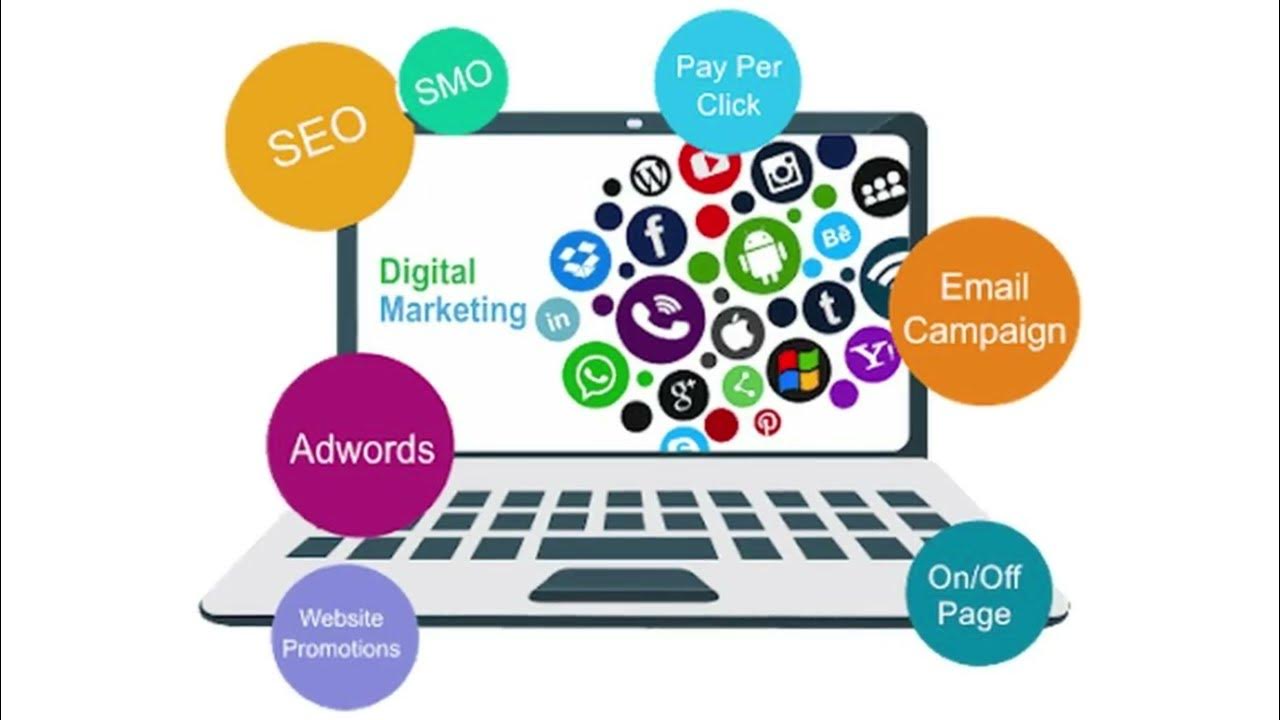
Tracking results and understanding performance is an important part of this process. Every campaign is analyzed and strategies are adjusted based on insights. Over time, this approach helps understand audience behavior and supports steady business growth.
Online visibility
Digital Marketing keeps businesses visible on search engines, social media, and other online platforms. This makes it easier for people to find the brand.
Targeted audience
Messages reach the right people who are most likely to be interested in the products or services. This naturally increases engagement.
Content creation
Relevant content is shared to attract attention and provide value. This includes blogs, social posts, videos, and updates.
Search engine optimization
Websites are optimized to appear higher in search results. This increases organic traffic without forced promotion.
Social media presence
Active social media accounts improve brand awareness and help connect with followers. Interaction builds trust and loyalty.
Email campaigns
Emails reach customers directly with updates, offers, or valuable information. This keeps communication ongoing.
Performance tracking
Campaigns are monitored to see what works best. Insights guide better strategies for future results.
Cost efficiency
Digital Marketing often delivers better results at lower cost compared to traditional methods. It allows smarter resource allocation.
Long term growth
Consistent online presence, engagement, and optimization support steady business growth over time.
Flexibility
Strategies can be adjusted based on performance, audience response, and current trends. This keeps campaigns effective and relevant.
- What is Digital Marketing?
-
Digital Marketing is the process of promoting a business using online platforms like websites, social media, search engines, emails, and ads. It focuses on reaching the right audience and creating engagement naturally.
- Why is Digital Marketing important?
-
It helps businesses stay visible where people spend their time online. It improves brand recognition, builds trust, and supports steady business growth over time.
- Which channels are used in Digital Marketing?
-
Common channels include search engines, social media platforms, emails, and websites. The choice depends on where the target audience is most active.
- How does Digital Marketing work?
-
It begins by understanding the audience and creating content that matters to them. Campaigns are posted, results are tracked, and strategies are adjusted for better performance.
- Can Digital Marketing improve sales?
-
Yes. When campaigns reach the right people and engagement is consistent, it helps attract potential customers and supports revenue growth.
- What type of content is shared?
-
Content can include blog posts, social media updates, videos, email newsletters, and promotional offers. The goal is to provide value and keep the audience engaged.
- How are results measured?
-
Performance is tracked using metrics like reach, engagement, clicks, and conversions. This helps understand what works and what can be improved.
- Is Digital Marketing only for large businesses?
-
No. Small businesses, startups, and individual brands can also benefit. Online marketing provides visibility and connection opportunities for any size of business.
- How long does it take to see results?
-
Some results, like website traffic and engagement, can appear quickly, while sales and growth may take more consistent effort over time.
- Can strategies change over time?
-
Yes. Digital Marketing is flexible. Campaigns and content can be adjusted based on audience feedback, trends, and performance data to remain effective.